

Pre-Analysis – Professional Pre-Analysis Is at the Heart of All Good Analytical Work!
- 4 Minutes to read
- Written by Axonlab
- General Practice
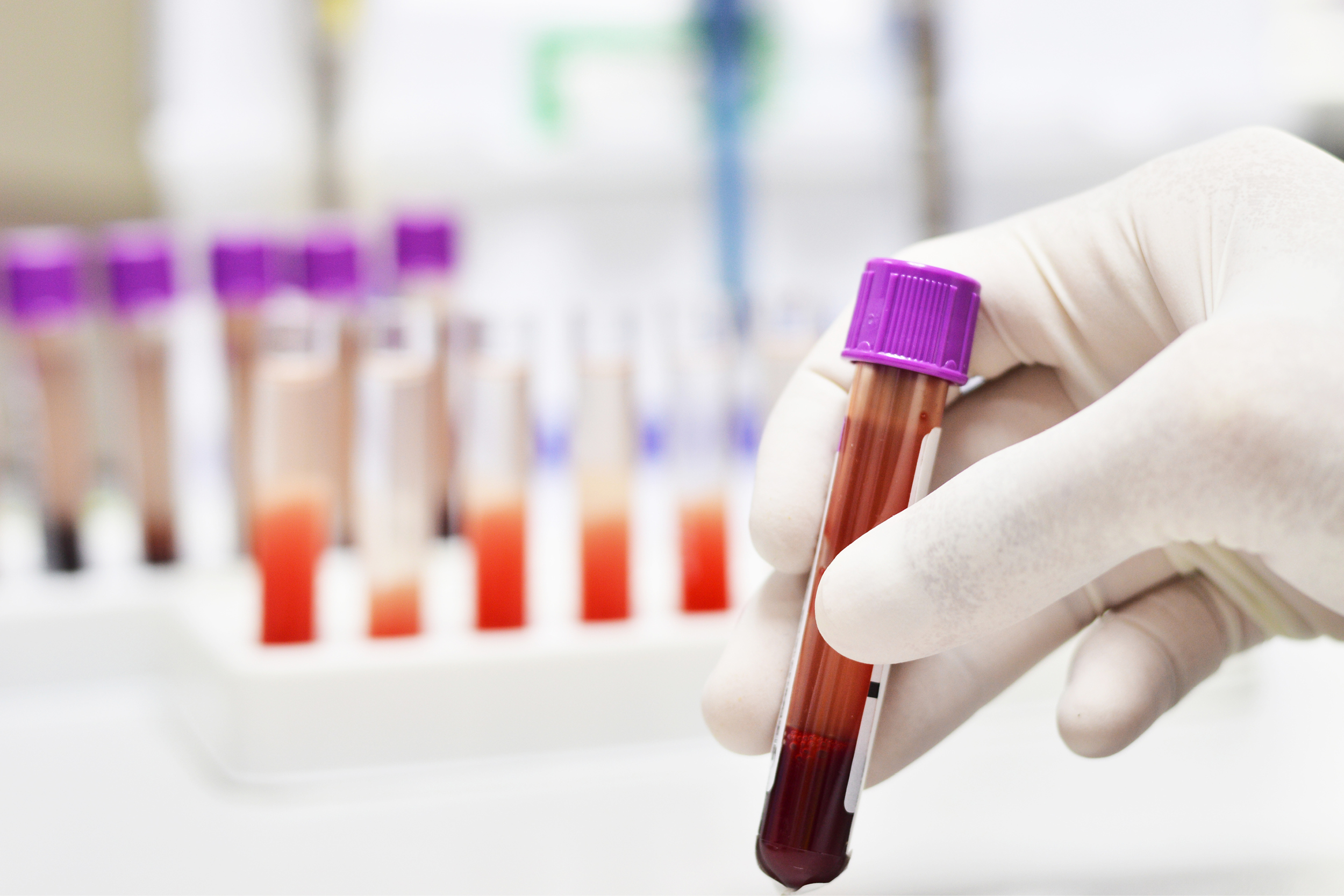
All work steps and areas that take place before laboratory analysis are part of preanalytics. In addition to the sample collection itself, a large number of patient-related factors also play a major role. These include, for example, age, ethnic origin, gender, diet, consumption of nicotine, alcohol, drugs and the use of medications. The factors that can influence the result are therefore correspondingly large. Below you will find some tips and tricks for professional sample collection and processing.
General instructions for blood collection
- Patient should rest at least 5 minutes before blood collection
- Label the tubes correctly before collection to avoid confusion
- Avoid overfilling and underfilling tubes with additives, otherwise the mixing ratio will not be correct.
- For monitoring purposes, it is advisable to always use the same body position when taking samples.
Capillary blood collection
- Preheat puncture site if necessary (e.g., for cold hands).
- Disinfect puncture site and puncture
- Discard the first drop of blood
- Remove sample
- Avoid too much pressure (risk of hemolysis)
- Work quickly and cleanly
- Mix collection tubes with additives well after collection
Venous blood collection
- Position limb well
- Place tourniquet correctly: One hand width above the puncture site
- Palpate vein
- Disinfect the puncture site and insert the needle into the vein at an angle of less than 30° with the puncture site facing upwards.
- Remove sample
- Release tourniquet - tourniquet for a maximum of 30 seconds
- Avoid opening and closing the fist
- Observe sampling sequence according to manufacturer's instructions
- Mix collection tubes with additives well after collection
Reaction time EDTA
Immediately after blood collection, the so-called equilibration phase can become an influencing factor. This effect is caused by the EDTA withdrawing calcium from the cells. This process is not spontaneous, but an exchange across the cell membrane, which takes about 10 - 30 minutes. When this process is complete, the blood has a certain stability.
If very freshly taken samples are analysed immediately, it is therefore possible that your analyser will show you corresponding indications of this as flags to tell you that it has detected a shift in the curves. If you now measure this sample again after 10 - 30 minutes, these indications will no longer be present.
You can see which indications and flags these are and how the equilibration phase affects them in the following examples. The first area in the WBC histogram is the lymphocytes, the second area is the monocytes and the third area is the granulocytes.
What does this mean for you in practice? Don't worry, you don't have to wait 30 minutes after every blood sample. If you receive implausible messages from your analyser, a waiting period and subsequent repeat measurement may well be useful.
*Please note that our tips & tricks for preanalytics represent the most common preanalytics errors we have observed and a solution for them. The list is by no means intended to be a conclusive guide, but should serve as a support. Each procedure must be individually assessed by the healthcare professional and appropriate measures taken to ensure safe and correct sample collection and processing.