

The discovery of bacteria: milestones in biology
- 3 Minutes to read
- Written by Axonlab
- General Practice
A turning point in the history of medicine and biology, the discovery of bacteria goes back to Dutch natural scientist Antoni van Leeuwenhoek, who first observed microorganisms in 1676 using microscopes he had developed himself. He referred to them as “animalcules” and was fascinated by their movement. It is especially remarkable that van Leeuwenhoek was able to detect bacteria in dental plaque, saliva and water. These samples demonstrated that microorganisms could be found everywhere – even in the human body
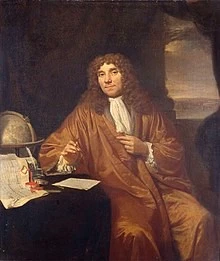
Antoni van Leeuwenhoek
It was not until the 19th century that the cornerstone of modern microbiology was laid. Louis Pasteur demonstrated that microorganisms were responsible for fermentation and infections. His work paved the way for sterile techniques and vaccines. Shortly thereafter, Robert Koch identified specific pathogens, such as those responsible for tuberculosis and cholera, and established what became known as Koch's Postulates. These methods are now the foundation of infection biology.
The understanding of the versatility of microorganisms was unique in the history of research on bacteria. Not only do they cause disease – they are also important symbionts. Bacteria on the skin form a protective barrier to pathogenic organisms and support the immune system. At the same time, bacteria in the human digestive tract play a key role in digestion, in our immune response and in the synthesis of vitamins that we need to survive. Mycoplasmas are a special exception among bacteria. These tiny organisms do not possess a cell wall, which makes them resistant to many antibiotics such as penicillin and poses a diagnostic challenge.
While Alexander Fleming’s discovery of antibiotics in the 1920s revolutionised the treatment of bacterial infections, it also introduced challenges such as antibiotic resistance. Studying bacteria has not only deepened our understanding of life – it has also had a profound impact on modern medicine. It remains a fascinating field with tremendous potential for the future – from personalised medicine to biotechnology.